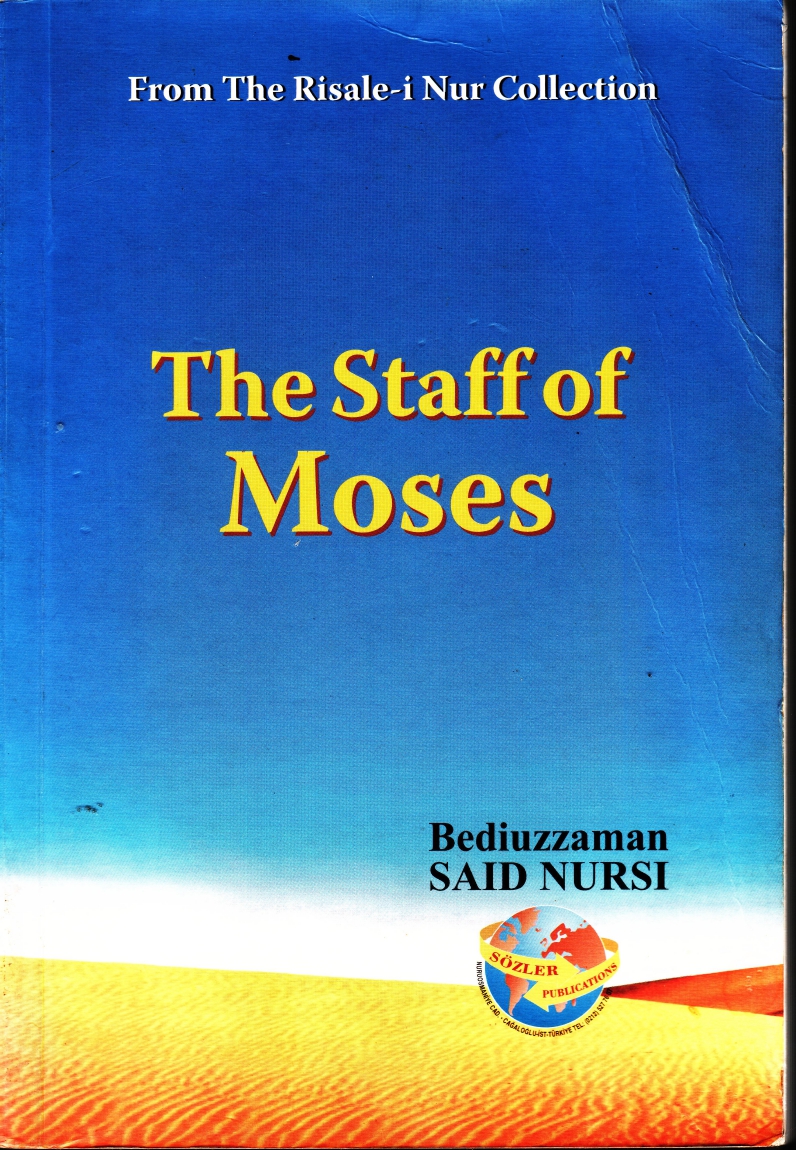
The Risale-i Nur, while being regarded within the science of tafsir (Qur’anic exegesis) due to its explanation of the meanings of Qur’anic verses, is also evaluated within the framework of kalam (Islamic theology) because it discusses the problems of its time such as faith and morality. The author himself emphasized these two aspects in his treatises.
The Risale-i Nur, with its approach to topics, depth, and comprehensiveness, has attracted great interest from many circles. On the one hand, it is read by various groups of people both in Turkey and abroad, and on the other hand, it has been the subject of international symposiums as well as numerous academic articles and theses. For instance, among contemporary thinkers, Moroccan Professor Dr. Taha Abdurrahman speaks of the great revolution the Risale-i Nur brought to the world of thought, and draws attention to the significance of this aspect alongside its other qualities:
*”Some Western philosophers placed reason at the center of everything and gave importance only to matters that were products of reason. They went so far that they placed divine books such as the Bible and the Qur’an, and the religions they represent, among the other things revolving around reason, defining them within a rational system. That is, just as ancient people imagined that the world was fixed and the sun revolved around it, they imagined reason to be fixed and revolved divine books and religions around it.
Bediüzzaman, through the Risale-i Nur, redirected this course of thought into its proper channel, much like what Copernicus achieved in the world of science. Just as Copernicus abolished the old view that ‘the world is fixed and the sun revolves around it,’ and instead proved that ‘the world revolves both on its own axis and around the sun’; so too did Bediüzzaman, with the Risale-i Nur, bring about a similar revolution in the world of thought. He established the truth by saying: ‘The world of human thought cannot be fixed. It revolves both on its own axis and around the sun of revelation.’ In this way, he placed human reason in its rightful place, rescuing it from loneliness and darkness, enlightening and relieving it.”*
Furthermore, since the Risale-i Nur is a Qur’anic commentary, it addresses not only reason but also the heart, the soul, and all other human faculties. It sheds light on all dimensions of morality and offers solutions to many social problems. However, the best way to truly understand these and its many other virtues is surely to open it, read it directly, and live by it.